
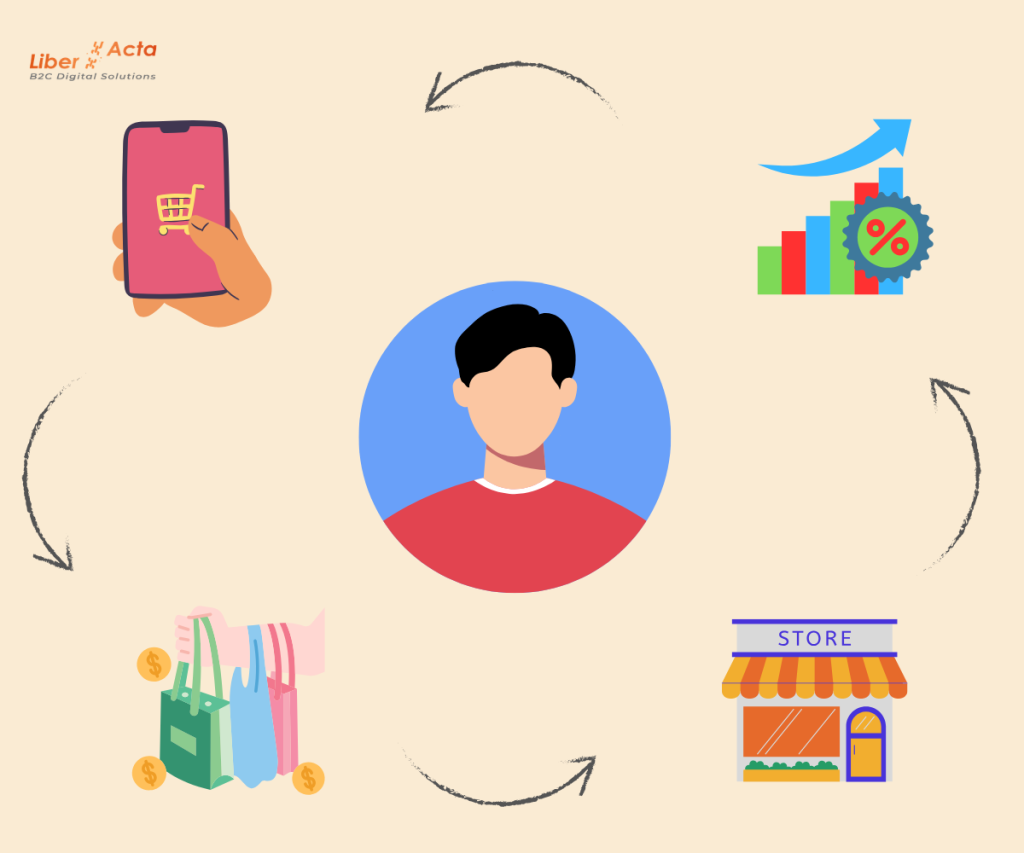
Once upon a time, a customer walked into a store, showed a plastic card, earned a stamp, and left with a modest sense of gratification. Then came e-commerce. Then apps. Then push notifications, digital wallets, augmented reality, and phygital stores.
Today, the question is no longer whether your business should be present across multiple channels, but how seamless the transition is from one to another. In a retail landscape dominated by digital infrastructure and artificial intelligence, omnichannel loyalty (or even ‘channelless’ loyalty, emphasizing complete channel independence) is the true engine of business growth. Yet, despite recent progress, a gap remains between what hyper-connected consumers expect and what brands actually deliver.
We analyzed the current state of omnichannel strategies, why fluidity between physical and digital spaces is the cornerstone of retention, and how the right technology can turn a basic point-based program into a high-value ecosystem.
The Current Landscape: Over 46 Million Multichannel Users
The Italian market data is clear: according to the Omnichannel Customer Experience Observatory of Politecnico di Milano, the audience of multichannel consumers now exceeds 46 million people. These users research products online before buying in-store, check their smartphones while walking the aisles to compare deals, or order via an app to pick up at a nearby location. Although the accelerated push toward digitalization in recent years speeded up integration projects across many companies, the proportion of large enterprises with a truly advanced omnichannel strategy remains limited, with a significant percentage still in the early implementation stages.
This gap represents a clear risk for those standing still—but an extraordinary competitive opportunity for brands that choose to modernize their customer loyalty infrastructure.
Why Cross-Channel Fluidity Is the Heart of Customer Loyalty
Imagine a loyal customer earning points on your brand or shopping center’s app. They walk into the physical store, try to redeem a reward at checkout, and are told: “We’re sorry, app points aren’t valid here in-store.” Or vice versa—that points earned in-store cannot be spent on the e-commerce platform.
The experience breaks. Trust drops. The perceived value of the loyalty program disappears in an instant.
Fluidity is not just a technological exercise; it is the ability to make every interaction natural, consistent, and frictionless. Here are the 4 strategic pillars that make omnichannel loyalty a high-return investment:
- Unified Customer ExperienceOffering an uninterrupted purchasing journey means allowing users to start a transaction online and complete it offline (or vice versa) while keeping their rewards, purchase history, and loyalty status intact. Consistency creates comfort; comfort creates habit.
- 360-Degree Customer View (Data Integration)An omnichannel loyalty program acts as a powerful data engine. When physical purchasing behavior merges with digital browsing history, your business gains a unified single customer view. You know what the customer buys, when they buy it, through which channel, and at what frequency.
- Increased Customer Engagement and Purchase FrequencyConsumers interacting across multiple touchpoints deliver significantly higher lifetime value than single-channel shoppers. A seamless experience encourages more frequent interactions, increases the effectiveness of notifications, and drives repeat purchases.
- Competitive AdvantageIn sectors where products are increasingly commoditized, Customer Experience becomes the primary differentiator. Brands offering flexibility and immediacy capture the loyalty of the most demanding shoppers.
How to Build an Effective Omnichannel Loyalty Architecture
Building a genuinely fluid loyalty ecosystem requires a paradigm shift: placing the customer at the center and building the technology stack around their habits. Omnichannel strategy cannot be improvised; it requires solid, modular technological foundations. To handle large volumes of data and ensure an uninterrupted user experience, companies must implement platforms capable of managing complex workflows effortlessly for the end user.
Key technology drivers shaping the future of customer retention include:
- AI-Driven Hyper-Personalization: Artificial Intelligence analyzes spending habits across touchpoints to build tailor-made rewards, delivered precisely when and where the customer is most likely to convert.
- Immersive and Phygital Experiences: Augmented Reality (AR) and proximity marketing turn physical stores into interactive environments, engaging shoppers through gamification directly on their loyalty app.
- Sustainability and Transparency: Loyalty programs that reward ethical and sustainable choices (such as packaging reuse or opting for digital receipts) directly integrated into the checkout flow.
Drive Your Loyalty Transformation with Liberacta
The future of retail belongs to businesses that erase the boundaries between the physical and digital worlds. Continuing to manage customer loyalty through siloed systems leads to lost revenue, missed leads, and shrinking market share.
Liberacta develops advanced technology solutions designed to simplify omnichannel convergence, integrate data streams, and drive business growth through flexible, measurable loyalty systems. Ready to transform your loyalty program into a revenue engine?
- 🌐 Visit our website: www.liberacta.com
- Contact us: Email info@liberacta.com to request a personalized demo.